
In the digital transformed era, when companies must plunge into either digital wholesaling or digital retailing platforms, new generations will be facing a business arena highly competitive and fiercer than ever. The Alibaba GDT E-Business Simulation Platform is designed by e-commerce experts using real algorithms and insights from Alibaba and other major e-commerce platforms to illustrate cross-border e-commerce trading operations. Students who experience the simulation platform will have the opportunity to rehearse real life challenges on e-commerce, compete among their peers with holistic evaluations, and practice their business acknowledge in various areas, paving their paths to become future successful digital entrepreneurs.
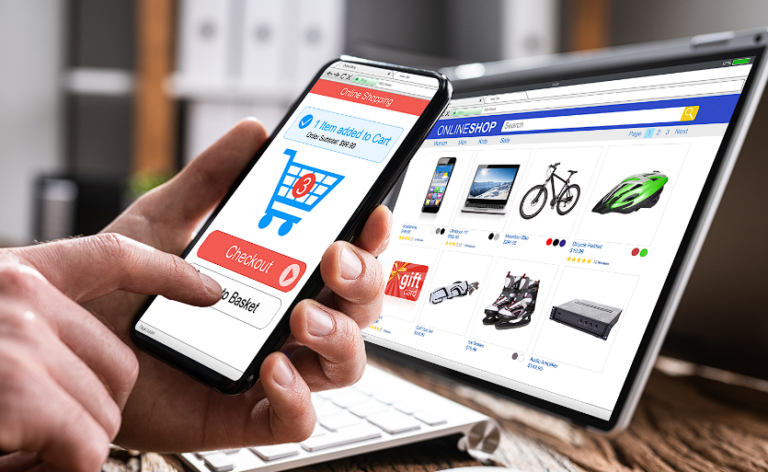
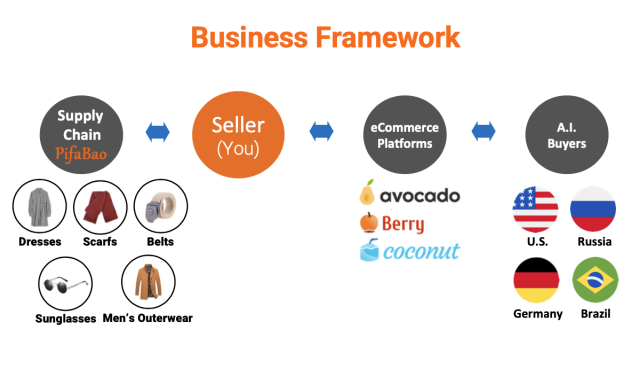
The platform is designed to simulate the real life cross-border e-commerce trading environment, allowing students to procure products from suppliers through a digital wholesaling platform, resell and revalue the products to other digital retailing platforms in different countries. Students will be given a grant of simulating capital fund to play in the simulation game and have the opportunity to learn the business applications required to start an e-commerce trading business.
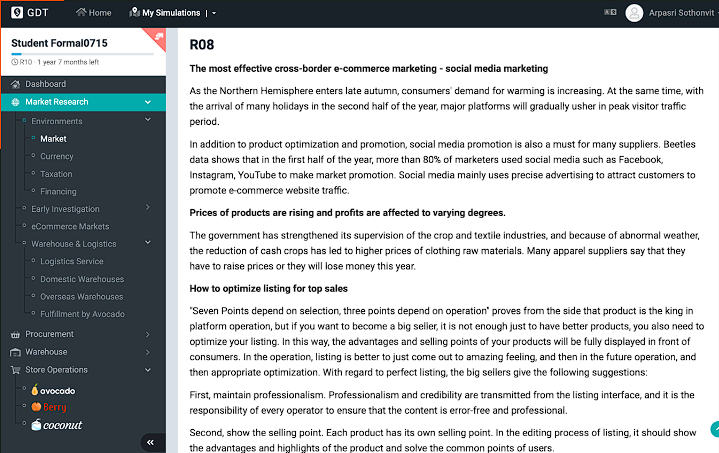
Students will have opportunities to study the changing trends of the fashion retailing industry and how to use different strategies to attract customers, participate in festive e-commerce campaigns, strategize how to compete with their peers and win over the market share. Market research from the simulation also displays tips for the students to focus and warnings to concern in each round. Students will be familiarized and experienced how a cross-border e-commerce trading business functions.
To win the game, a team needs to illustrate the most net profit in their income statement. To achieve it, students need to learn how to maximize their revenues and minimize their costs. Since the financial operations in companies that rely their businesses from online retailing are different than other types of businesses, students need to understand the nature and correlations between selling, procurement, inventory, logistics, account receivable collections, account payable schedules, and taxation. The simulation platform also has SME loan and Account Receivable Pledge loan functions, allowing students to withdraw money to either strengthen their cashflows or expand their businesses.

In e-commerce business, the payment from customer purchases is stored in account receivables until the customers receive the ordered goods. There are functions allowing students to either pay for the delivery fees and claim the ‘Free Delivery’ title or collect some delivery fees from the customers as another stream of revenue. In the simulation platform, students need to strategize their logistic operations and value it as one of the key factors for them to win the game. From suppliers to a warehouse in China, from the warehouse to customers or oversea warehouses, students can choose a wide range of different types of services, analyze their pros and cons, and execute for their business best interests.
Finding good products to sell on a digital retailing or an e-commerce platform might sound easy; however, in reality, with highly competitive environment, students need to study the trends, analyze the strategies of competitors, and search for the highly demanded products that could become the champion product in order to win the game. The winning product is not just an item, but also the right pricing, keyword naming, customer value perception, appropriate e-commerce platform usage, and product posting management. Students will be facing different challenges that would arise such as competing with their peers in selling similar products on the same e-commerce platform. Do the students want to try competing using marketing strategies, applying discounts, sourcing new products, or exploring new e-commerce platforms? Students will have the opportunity to utilize their ideas to tackle with different obstacles and remain competitive in the game.